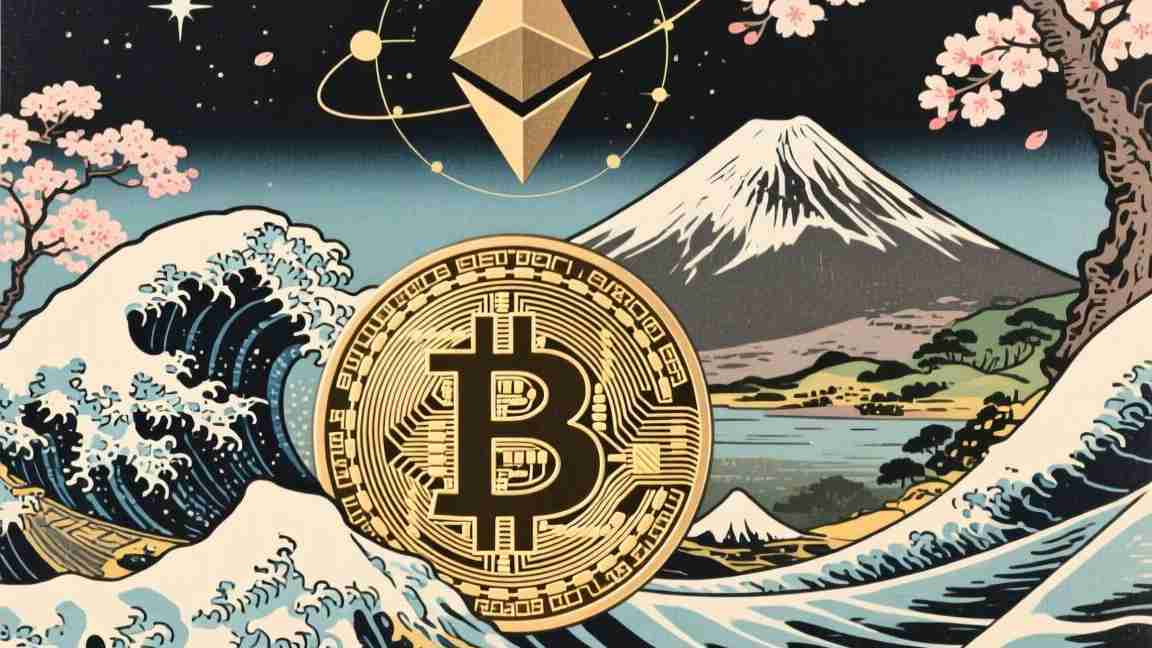
ETHEREUM:THE FOUNDATION OF THE DECENTRALIZED FUTURE
In the rapidly evolving landscape of blockchain technology, few names carry as much weight as ETHEREUM. More than just a cryptocurrency, Ethereum is a decentralized, open-source blockchain platform that has revolutionized how we think about digital transactions, smart contracts, and the internet as a whole. Launched in 2015 by Vitalik Buterin, a Russian-Canadian programmer, Ethereum introduced the concept of a "world computer"—a global, decentralized network capable of executing self-executing code known as smart contracts. This breakthrough laid the groundwork for the explosive growth of decentralized applications (dApps), decentralized finance (DeFi), non-fungible tokens (NFTs), and the broader Web3 ecosystem.
The Core Innovation: Smart Contracts and dApps
Unlike Bitcoin, which primarily serves as a digital currency, Ethereum’s true power lies in its ability to support programmable transactions. Smart contracts are self-executing agreements with the terms of the contract directly written into code, eliminating the need for intermediaries like banks or lawyers. These contracts automatically execute when predefined conditions are met, enabling trustless and transparent interactions. This innovation has unlocked a wave of innovation: from decentralized exchanges (DEXs) like Uniswap to lending platforms like Aave, and even NFT marketplaces like OpenSea—all built on the Ethereum network.
The Ethereum Virtual Machine (EVM)
At the heart of Ethereum is the Ethereum Virtual Machine (EVM), a decentralized computing environment that executes smart contracts. The EVM ensures that code runs exactly as intended, regardless of the device or location, making it a universal "computer" for the decentralized web. Its Turing-complete nature allows developers to build complex and versatile applications, while its open-source nature fosters collaboration and continuous improvement. The EVM has become the industry standard, with other blockchains (such as Polygon, Binance Smart Chain, and Avalanche) adopting EVM compatibility to leverage Ethereum’s robust developer ecosystem.
Upgrades and Scalability: Ethereum 2.0
As Ethereum’s popularity grew, so did its challenges—most notably scalability and high transaction fees. To address these issues, the Ethereum community has been rolling out Ethereum 2.0 (also known as Eth2 or the Serenity upgrade), a series of upgrades designed to make the network faster, more efficient, and sustainable. Key changes include transitioning from a Proof-of-Work (PoW) consensus mechanism to Proof-of-Stake (PoS), which reduces energy consumption by over 99%, and implementing shard chains to increase transaction throughput. These upgrades aim to position Ethereum as a scalable, secure, and environmentally friendly platform for the next generation of decentralized applications.
The Impact on Finance, Art, and Beyond
Ethereum’s influence extends far beyond technology. In the financial sector, it has catalyzed the DeFi movement, enabling users to lend, borrow, trade, and earn interest without traditional banks. In the art world, it popularized NFTs, allowing artists to tokenize and sell their work directly to collectors, revolutionizing digital ownership. Even industries like supply chain management, gaming, and healthcare are exploring Ethereum’s potential to create transparent, tamper-proof systems.
The Future of Ethereum
As Ethereum continues to evolve, its role as the backbone of the decentralized future becomes increasingly clear. With ongoing upgrades, growing adoption by enterprises, and a thriving community of developers, Ethereum is poised to remain at the forefront of blockchain innovation. Whether it’s powering the next wave of DeFi protocols, enabling the metaverse, or underpinning decentralized autonomous organizations (DAOs), Ethereum’s vision of a more open, inclusive, and user-controlled internet is becoming a reality.
In conclusion, ETHEREUM is more than a blockchain—it’s a paradigm shift. By combining s